
Leather Belt Care Guide | Belt Maintenance Tips

Ultimate Leather Belt Care Guide | Essential Maintenance Tips

Ultimate Leather Belt Care Guide | Essential Maintenance Tips

When it comes to maintaining your favorite leather accessories, understanding proper leather belt care is crucial. A genuine leather belt is far more than just a functional item—it’s a timeless statement piece that deserves the right treatment to guarantee longevity and continued aesthetic beauty.

By implementing a proactive maintenance routine, you can drastically maximize the lifespan of your leather belt while keeping it looking pristine, supple, and endlessly stylish.

Why Proactive Leather Belt Maintenance Matters

Caring for your leather accessories goes way deeper than surface appearance. It is directly about preserving the natural, fibrous structural matrix of the hide. Regular, structured maintenance provides key structural advantages:

  • Shields Against Environmental Elements: Protects fine grain against deep-set damage caused by sweat, dirt, and ambient moisture.
  • Prevents Cracking and Stiffness: Stops the leather fibers from drying out over time, keeping your belt flexible.
  • Enhances Natural Patina: Allows the premium hide to gracefully absorb oils and build rich characteristic depth as it ages.
  • Protects Your Fine Investment: Greatly increases the life expectancy of your wardrobe staples, saving you money down the line.

Essential Tips on How to Clean a Leather Belt Safely

To keep your leather items in pristine showroom condition, integrate these straightforward, expert-backed care protocols into your regular routine.

1. Daily & Deep Cleaning Routines

Consistent surface cleaning keeps body oils and environmental grime from permanently binding into the leather grain:

  • Gently wipe away surface grit and dust using a dry or slightly damp microfiber cloth.
  • Avoid excessive moisture: Never submerge or soak your leather items. Saturating leather strips away natural tallows, causing warping and deep brittleness once dry.
  • For tougher grease or stubborn spots, apply a trace amount of specialized mild leather soap, gently work it into the area, and wipe dry instantly.

2. Conditioning the Leather Grain

Without regular moisture replacement, animal hides will naturally desiccate, resulting in dullness and micro-fracturing. We highly recommend conditioning your luxury belts every 3 to 6 months:

  • Always select a premium, wax- or natural oil-based leather conditioner explicitly designed for finished leather goods.
  • Massage a small, dime-sized amount evenly across the grain surface utilizing a soft, clean cloth.
  • Allow the conditioner formula to absorb completely inside a well-ventilated space for a few hours before wearing it out.

3. Smart Leather Belt Storage Solutions

How your favorite accessories spend their downtime impacts their longevity just as much as how you clean them:

  • Always store your leather goods in a dark, cool, dry closet space away from humid environments.
  • Do not fold or tightly roll your belts: Tight rolling fractures top-grain coatings and leaves permanent creases. Instead, hang the belt vertically from its buckle securely on a dedicated belt hanger.
  • Keep your collection well shielded from harsh, direct sunlight to prevent premature fading and UV drying.

4. Correctly Managing Unexpected Moisture

Water can be highly destructive to unprotected hides. Protect your favorite style piece with these emergency rules:

  • Avoid wearing your highest quality leather accessories during severe downpours or heavy winter snowfall.
  • If your belt gets caught in a storm, immediately blot away excess water using a clean dry towel and allow it to air-dry completely at room temperature. Keep it far away from artificial heat sources like radiators or hair dryers, which will instantly shrink and ruin the hide.

Warning Signs: Does Your Leather Belt Need Urgent Care?

Keep a sharp eye out for these classic indicators that your leather accessory is suffering from structural dehydration:

  • Visible surface flaking, micro-cracks, or local stiffness when flexing the strap.
  • Noticeable color fading, discoloration patches, or rough dry zones.
  • A musty, stale odor coming from the item, pointing to persistent moisture retention.

Choosing the Right Leather Care Products

Investing in appropriate care products is vital for sustainable leather health. Only look for conditioning formulas marked safe for vegetable-tanned or premium top-grain leather. Crucial Warning: Completely avoid any household products containing rubbing alcohol, mineral oils, or strong chemical solvents. These elements break down protective top-coats and permanently degrade the material structure.
Invest in Your Leather Belt's Future

Practicing diligent leather care will not only extend the lifespan of your beloved wardrobe accessory but also enhance its natural aesthetic appeal year after year. By following these simple, time-tested steps, your leather belts will remain sharp-looking mainstays in your style collection.

Ready to upgrade your collection with exceptional, long-lasting craftsman style?

Explore Phil's Premium Belts

How to Clean Your Belt

  • Use a soft, damp cloth to gently wipe down your belt after each use to remove dust, dirt, and other debris that can accumulate during daily wear.
  • Avoid soaking the leather or using excessive water, as this can weaken its fibers and cause discoloration.
  • After cleaning, dry your belt with a clean, dry cloth to prevent moisture from settling into the leather.
  • Apply a small amount of leather-specific cleaner to a clean cloth. These cleaners are specially formulated to lift dirt while preserving the natural oils in the leather.
  • Gently rub the cleaner onto the surface of the belt in small, circular motions, focusing on areas with stains or built-up grime.
  • Wipe away any excess cleaner with a dry cloth and allow the belt to air dry completely before wearing it again.
  • Household cleaners and soaps can strip the leather’s natural oils, leading to cracks and stiffness. Always use products designed specifically for leather.
  • Ensure the cleaning product is compatible with your belt’s leather type (e.g., full-grain, top-grain) by testing it on a small, inconspicuous area first.
  • Take care not to over-clean your belt—excessive cleaning can dry out the leather over time.

How to Condition Your Belt

  • A good leather conditioner helps replenish the natural oils that keep leather soft and pliable. Look for conditioners made specifically for leather, free of harsh chemicals or petroleum.
  • Avoid using products not meant for leather, as they can create buildup or damage the material.
  • Test a small amount of the conditioner on an inconspicuous area of the belt to ensure it doesn’t alter the color or texture.
  • Apply a small amount of conditioner to a clean, soft cloth, using just enough to lightly coat the leather.
  • Work the conditioner into the belt in small, circular motions to ensure it penetrates evenly into the leather.
  • Pay extra attention to areas that see the most wear, such as the buckle holes and edges, as these spots are more prone to cracking and drying out.
  • Allow the conditioner to sit and absorb into the leather for several hours or overnight if possible. This helps restore moisture and elasticity.
  • After absorption, use a clean, dry cloth to gently buff the belt, removing any excess conditioner and leaving the leather with a smooth, polished finish.
  • Regular conditioning every 3-6 months keeps your belt looking and feeling its best.

How to Store Your Belt

  • Extreme temperatures, humidity, and direct sunlight can cause leather to warp, fade, or crack. Keep your belt in a controlled environment to preserve its integrity.
  • Use a well-ventilated space to store your belt and avoid leaving it in enclosed areas like plastic bags, which can trap moisture and promote mold growth.
  • Leather thrives in moderate conditions, so storing your belt in a closet or drawer is ideal.
  • Hanging your belt on a belt rack ensures it maintains its shape and prevents creases from forming.
  • If hanging isn’t an option, roll your belt loosely, ensuring that the buckle and strap aren’t bent too tightly.
  • Avoid folding your belt in half, as this can create permanent wrinkles or damage the leather fibers.
  • Store your belts in a dedicated area with enough space to avoid rubbing or bending against other items.
  • Keep them away from sharp objects or accessories that could scratch or puncture the leather.
  • Proper organization helps ensure your belts stay in great condition and are always ready to wear.

Tips for Long-Lasting Belts

Using the same belt every day can lead to excessive wear, especially around the buckle holes and edges. Rotate between multiple belts in your collection to allow each one time to rest and recover between uses. A rotation system not only extends the life of your belts but also adds variety to your wardrobe.

Pulling your belt too tightly places unnecessary strain on the leather, leading to premature stretching or tearing. Ensure your belt fits comfortably and securely without excessive force, allowing it to retain its shape and structure over time. Always use the proper buckle hole that matches your size to avoid unnecessary wear.

Leather is porous and can absorb oils, perfumes, and other liquids that cause stains or discoloration. Avoid exposing your belt to these substances. In case of a spill, immediately wipe the belt with a soft, damp cloth to prevent the stain from setting. Use a leather protectant spray to create a barrier against moisture, dirt, and other damaging elements.

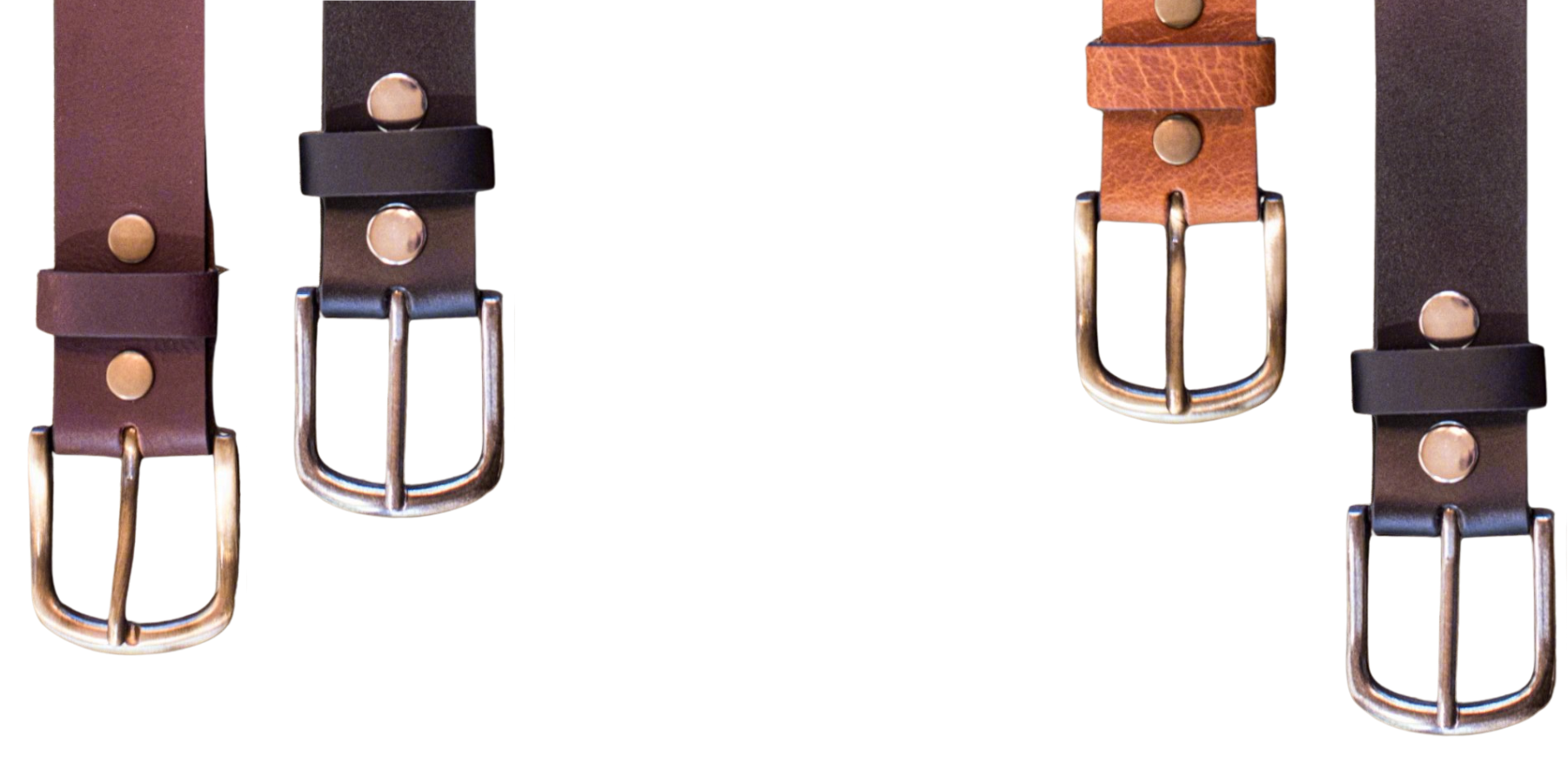
Belts hanging on background.

Not Sure About Your Belt Size?

We know that finding the right belt size can be tricky, but we’re here to make it simple! Use our easy-to-follow size chart to determine your perfect fit and avoid the hassle of returns. Have questions? Our friendly customer service team is just an email away and ready to assist you. With The Belt Shoppe, you’ll get the size you need, the first time.